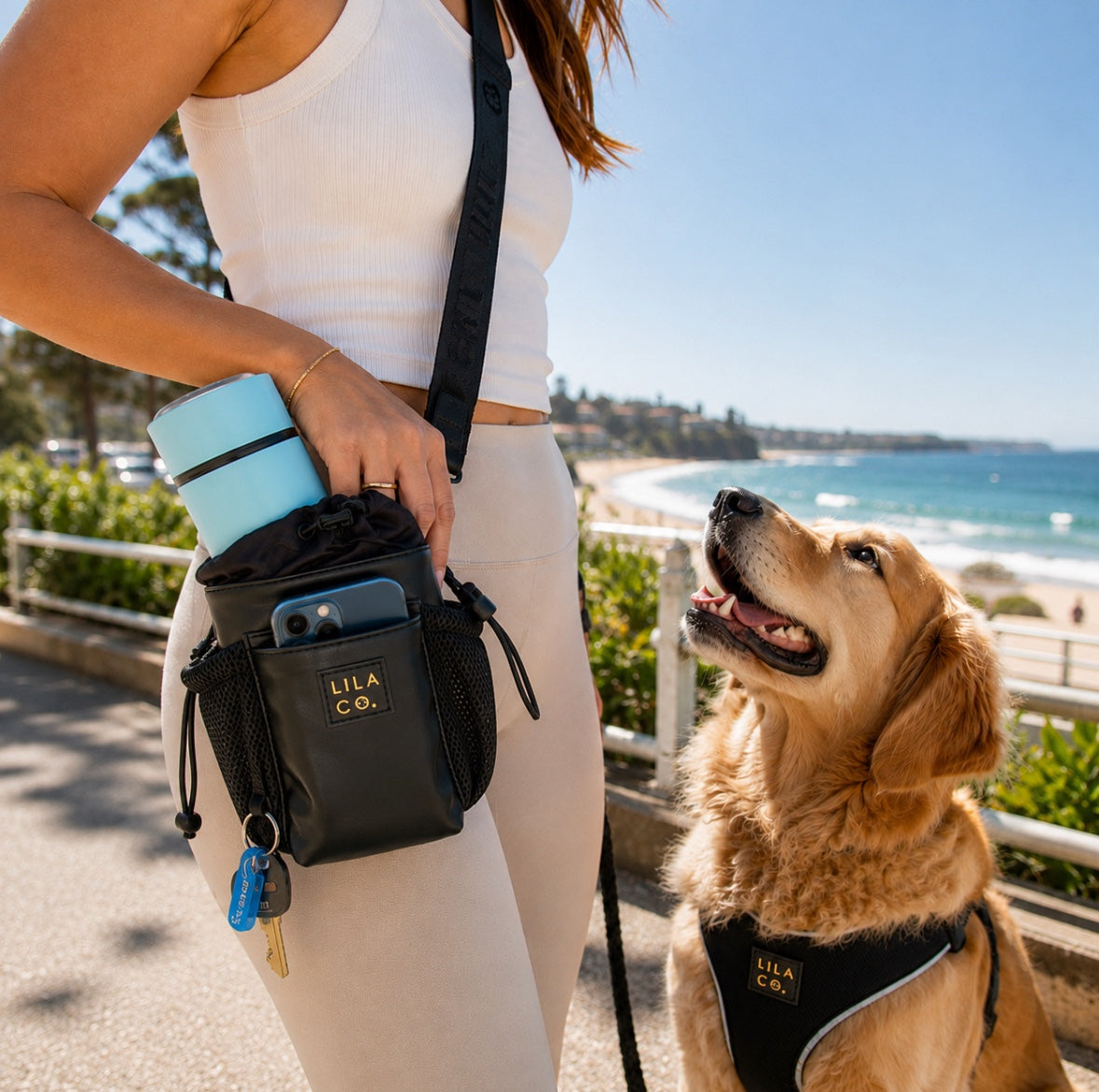
Why Daily Walks Are About More Than Exercise

For most dog owners, the daily walk is part of the routine.
Lead on. Shoes on. Out the door.
It is easy to think of walking primarily as exercise, and of course physical activity is an important part of keeping dogs healthy. But for dogs, a walk offers much more than a chance to stretch their legs.
Every time your dog steps outside, they enter a world filled with smells, sounds, movement, people, animals and constantly changing information. A simple walk around the neighbourhood can provide mental stimulation, build confidence, strengthen your relationship and give your dog an opportunity to engage in behaviours that come naturally to them.
In other words, the daily dog walk is not just a workout.
It is enrichment.
It is exploration.
And, perhaps most importantly, it is time spent together.
1. Walks Give Dogs Something New to Think About
Imagine spending most of your day inside the same house, looking at the same rooms and experiencing roughly the same surroundings.
Even a very comfortable home would eventually become predictable.
Dogs experience the world largely through their senses, particularly their sense of smell. When they head outside, there is an enormous amount of new information waiting for them.
Another dog walked past an hour ago.
Someone has mowed their lawn.
A possum crossed the footpath overnight.
There is food cooking somewhere nearby.
A new person has moved into the neighbourhood.
To us, these things may barely register. To a dog, they can make a familiar street feel completely different from one day to the next.
This is why allowing your dog time to explore during a walk can be so valuable.
A walk does not always need to involve marching quickly from Point A to Point B. Giving your dog opportunities to sniff, look around and investigate their surroundings provides valuable mental stimulation.
Sometimes a slower 30-minute walk filled with opportunities to explore can be far more satisfying than covering a much greater distance at speed.
2. Sniffing Is a Form of Mental Enrichment
If your dog stops to smell every second tree, they are not deliberately trying to make you late.
They are gathering information.
Dogs have an extraordinary sense of smell, and sniffing is one of the primary ways they interact with their environment.
For dogs, smells can communicate information about other animals, people, food and what has recently happened in an area.
That makes a neighbourhood walk something like reading the morning news.
Allowing your dog to spend part of their walk sniffing can give them an opportunity to engage in a natural behaviour while keeping their mind active.
Some owners even incorporate dedicated "sniff walks", where distance and speed matter much less than giving the dog freedom to explore safely.
You do not necessarily need to do this on every walk. A combination of structured walking, exploring and stopping to sniff can work beautifully.
3. Walking Can Help Build Confidence
The outside world can be a big place, particularly for puppies or dogs that are naturally more cautious.
Cars.
Bicycles.
Children.
Other dogs.
People wearing hats.
Garbage trucks.
Different surfaces.
Unexpected noises.
Regular, positive exposure to everyday environments can gradually help dogs become more comfortable with the world around them.
This does not mean forcing a nervous dog into overwhelming situations. Confidence is generally built through manageable, positive experiences.
A quiet neighbourhood walk might eventually become a trip to a café.
A short stroll past other dogs might progress to walking through a busier park.
A puppy that initially feels uncertain around traffic may eventually learn that passing cars are simply part of everyday life.
Every positive experience becomes another little piece of information telling your dog:
"I have experienced this before, and I was okay."
4. Daily Walks Create Routine
Dogs often thrive on predictability.
They quickly learn the patterns of household life.
They know when breakfast usually happens.
They somehow know when dinner should be served.
And many dogs can recognise the exact moment their owner begins preparing for a walk.
Perhaps you put on the same shoes.
Pick up the lead.
Reach for the walking bag.
Suddenly there is a dog standing at the door with their entire body wagging.
Having regular walking routines can give dogs positive events to anticipate throughout the day.
That does not mean every walk needs to happen at exactly the same time. But consistent opportunities to get outside, explore and spend time with you can contribute to a dog's overall quality of life.
5. Walks Strengthen the Bond Between Dog and Owner
Some of the best moments with dogs happen during very ordinary parts of the day.
The quiet morning walk before work.
A slow evening stroll.
Walking to grab a coffee together.
Discovering a new trail on the weekend.
These moments create shared experiences.
During walks, dogs are constantly checking in with us.
They learn how we communicate.
We learn their habits.
You begin recognising when your dog is genuinely interested in something, when they are uncertain, when they are tired and when they would happily continue walking for another hour.
Walking together regularly creates hundreds of tiny interactions that gradually strengthen communication and trust.
It is one of the simplest ways to spend uninterrupted time together.
6. Walks Allow Dogs to Experience Natural Behaviours
Dogs were not designed to spend their entire lives indoors.
Walking gives them an opportunity to engage in normal behaviours such as:
- Sniffing
- Exploring
- Observing
- Moving across different surfaces
- Following scent trails
- Social interaction
- Investigating new environments
Providing opportunities for natural behaviours is an important part of enrichment.
This does not require elaborate adventures every day.
Your local neighbourhood can provide plenty of stimulation simply by changing your route occasionally or allowing your dog to explore different areas.
Even walking the usual route in the opposite direction can create a surprisingly different experience for your dog.
7. A Good Walk Can Make Home Life Easier Too
Dogs need outlets for their energy, curiosity and natural behaviours.
Without enough stimulation, some dogs may look for their own entertainment.
That might involve barking at everything outside the window, carrying household objects around, digging in the garden or following you from room to room waiting for something interesting to happen.
Walks provide an appropriate outlet for both physical and mental energy.
A dog that has spent time exploring, sniffing and interacting with the world may be more content to settle afterwards.
It is important, however, not to think purely in terms of "tiring your dog out".
Mental stimulation matters too.
Sometimes a mentally satisfying walk can leave a dog beautifully relaxed even if the actual distance covered was relatively modest.
8. The Right Walking Equipment Can Make the Experience Better
Because walking is such an important part of everyday life with a dog, having equipment that is comfortable and practical can make a noticeable difference.
A properly fitted adjustable dog harness can help provide a comfortable walking setup while allowing freedom of movement.
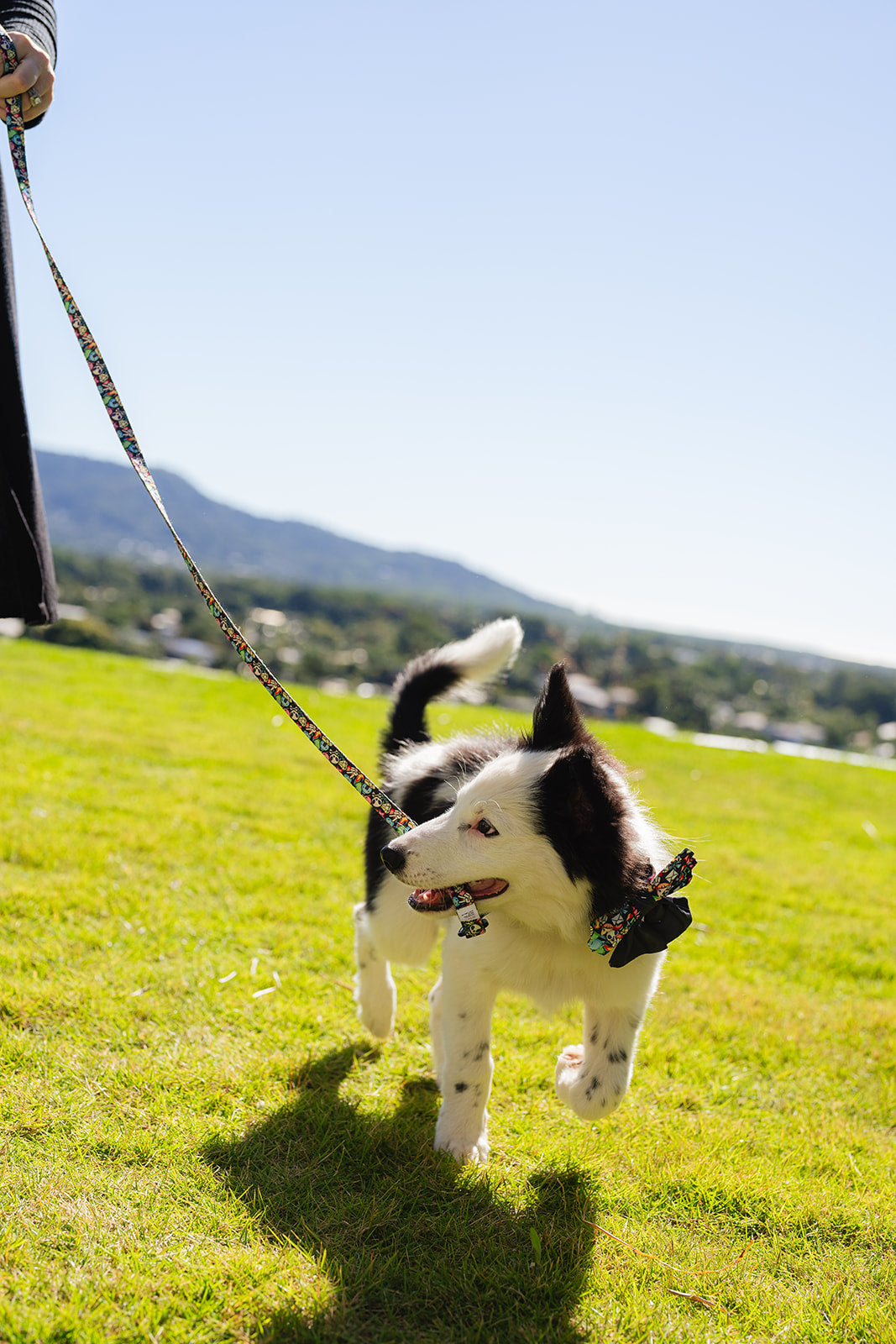
A good lead should also feel comfortable for the owner while providing appropriate control for the environment you are walking in.
And then there are all the little things dog owners somehow accumulate before leaving the house.
Treats.
Poop bags.
Keys.
Phone.
Water.
Perhaps a ball or small toy.
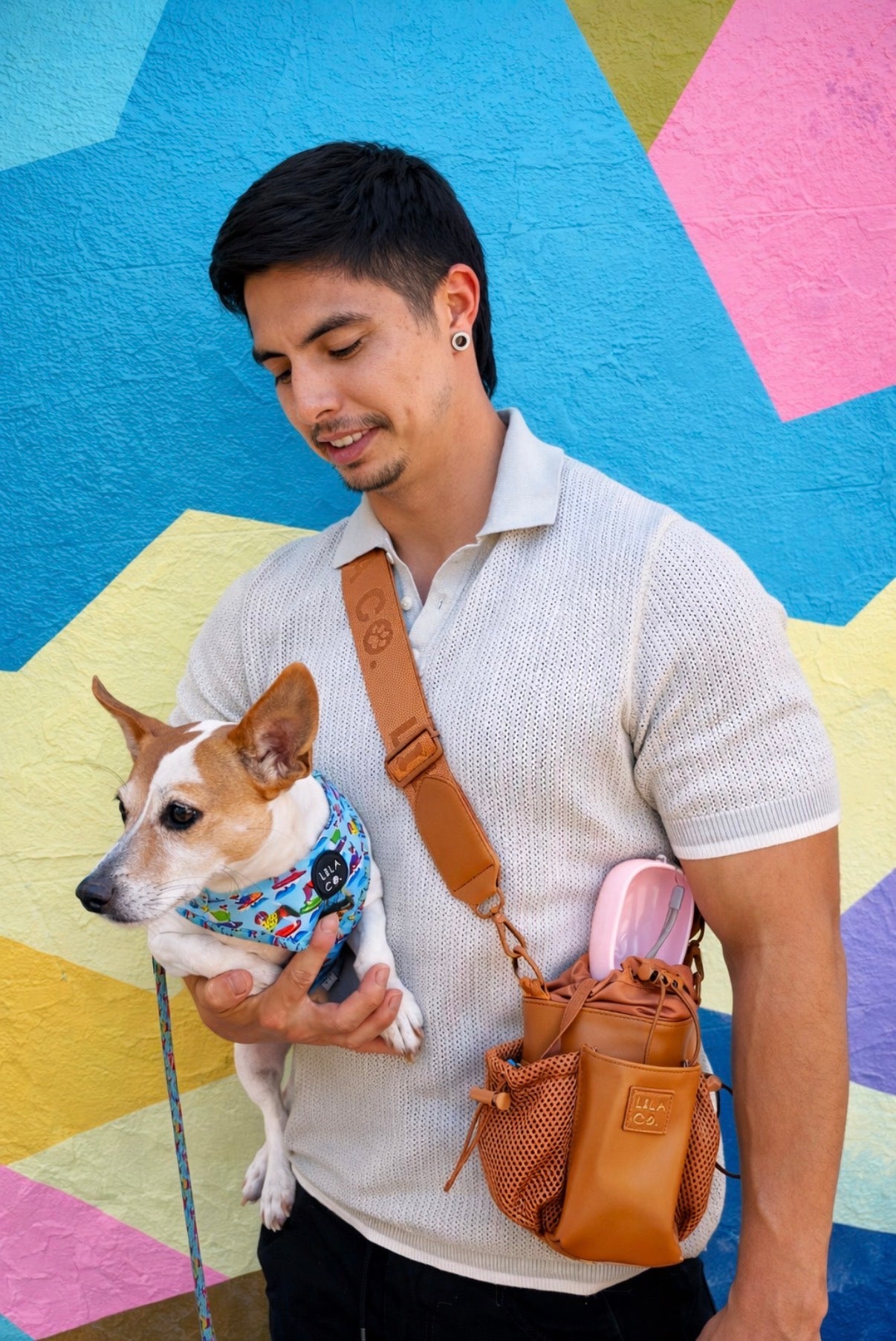
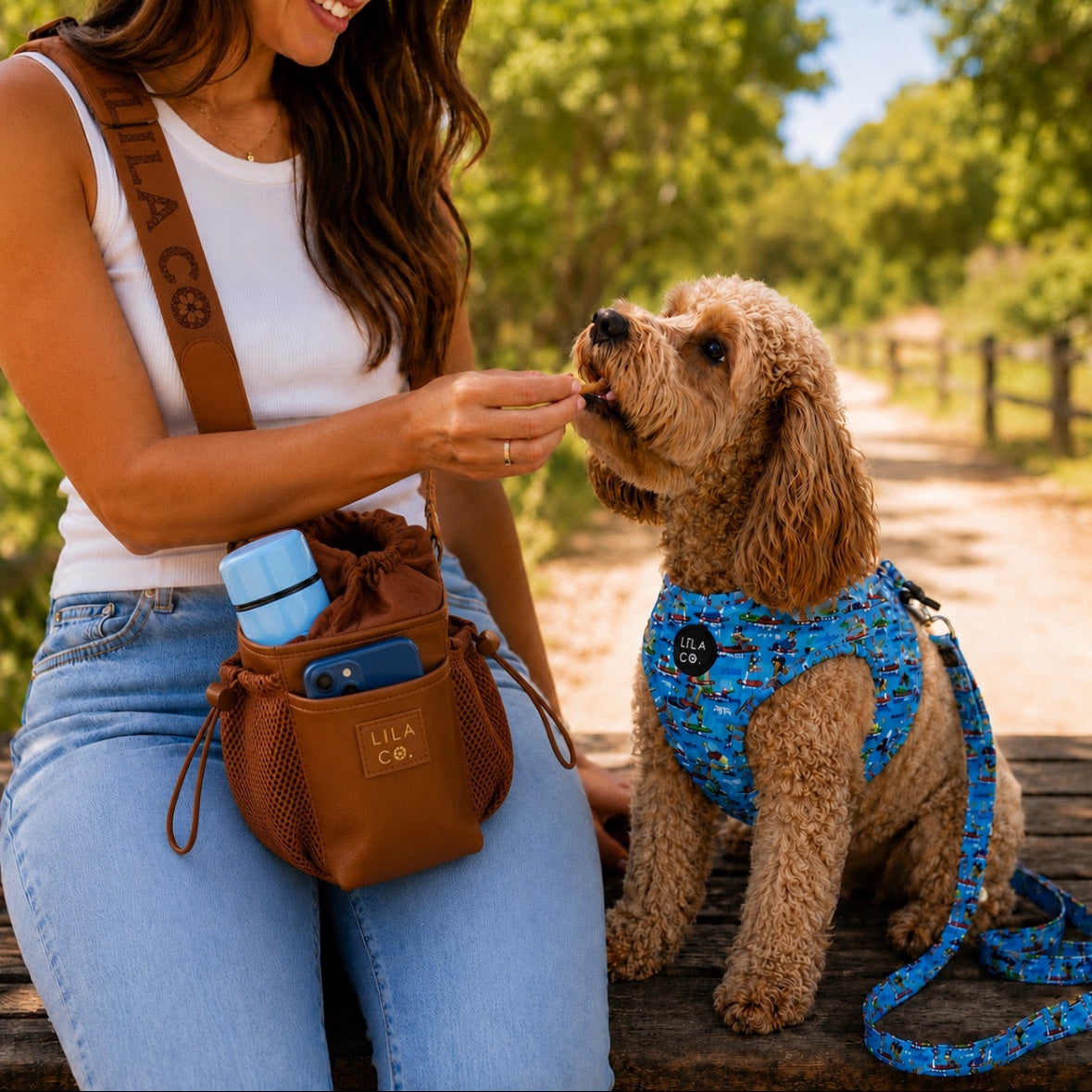
Having a dedicated dog walking bag can make everyday walks much simpler by keeping everything together rather than distributing it between every available pocket.
None of these things replace training or responsible walking practices, but comfortable, practical equipment can remove some of the friction from getting outside regularly.
And when walking becomes easier, it is much more likely to remain an enjoyable part of your routine.
9. Not Every Walk Needs to Look the Same
One of the best things about walking your dog is that there is no single "perfect" walk.
Different dogs enjoy different things.
A young energetic dog may love a longer adventure.
An older dog may prefer a slower stroll with plenty of time to sniff.
A nervous dog may enjoy quiet streets rather than busy parks.
A social dog might consider meeting three neighbours the highlight of their morning.
You can also vary your walks.
One day might be about exercise.
Another might be almost entirely about sniffing.
On the weekend, you might explore somewhere completely new.
This variety keeps walks interesting and allows you to adapt them to your dog's individual personality, age and needs.
10. Walks Give Us Something Too
There is another side of dog walking that deserves mentioning.
It is good for us.
Dogs have a wonderful ability to encourage us outside when we might otherwise stay home.
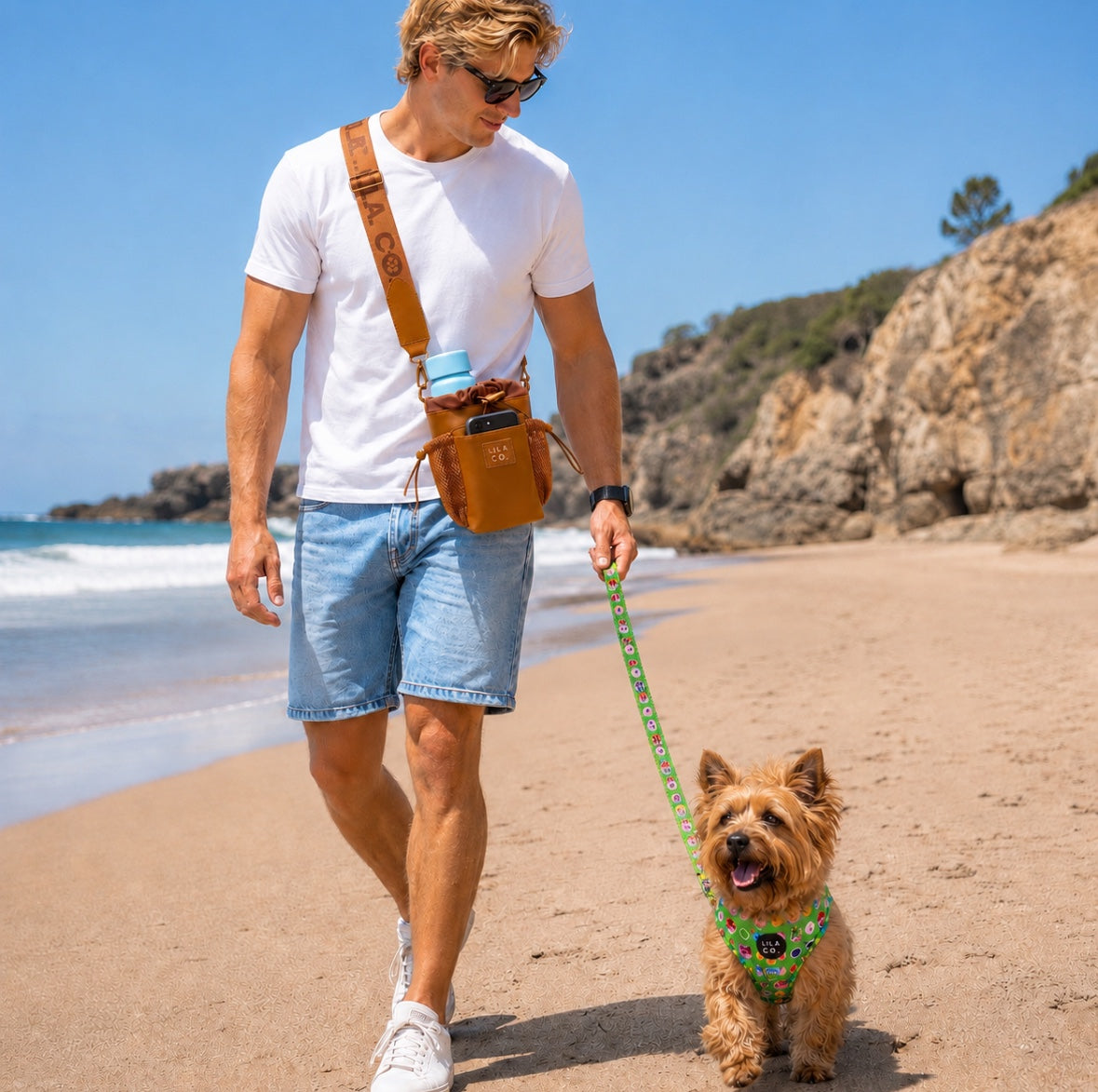
They give us a reason to walk around the neighbourhood, visit the beach, explore new parks and spend time away from screens.
When you are walking with a dog, you also tend to notice things you might otherwise miss.
The weather.
The changing seasons.
Neighbourhood gardens.
People you regularly pass.
The little rituals that make up everyday life.
Dogs have a way of making ordinary experiences feel worthwhile.
A walk that might otherwise seem insignificant becomes one of their favourite parts of the day.
And when you see that excitement every time the lead comes out, it is difficult not to appreciate it too.
The Walk Is the Destination
We often think about walks in terms of kilometres, calories or how much exercise our dog received.
But from your dog's perspective, the experience is much richer.
They are smelling.
Learning.
Exploring.
Observing.
Building confidence.
Spending time with their favourite person.
Some days that might mean a long adventure.
Other days it could simply mean wandering around the block and stopping at every interesting smell along the way.
Both have value.
So next time your dog spends an eternity investigating one particular patch of grass, perhaps give them an extra moment.
They are not wasting the walk.
They are enjoying it.
And ultimately, that is what daily walks should be about.
Not simply getting exercise done.
But giving our dogs another opportunity to experience the world alongside us.