The Ultimate Guide to Better Dog Walks | 25 Expert Tips Every Dog Owner Should Know

If you ask most dogs what their favourite part of the day is, the answer would almost certainly be one thing... walkies.
The moment you reach for the lead, it's as though your dog has won the lottery. The zoomies begin, tails wag uncontrollably, happy dances happen around the front door, and suddenly you're being rushed out of the house by your own dog.
For us, a dog walk might simply be part of the daily routine.
For our dogs, it is so much more.
It is exercise, adventure, mental stimulation, socialisation, confidence building, bonding time and one of the best moments of their day.
Yet many dog owners unknowingly miss opportunities to make walks even more enjoyable, safer and more enriching.
Whether you're a first-time puppy parent or you've shared your life with dogs for decades, these tips will help make every walk better for both you and your four-legged best friend.
Why Daily Walks Matter More Than You Think
Many people think dog walks are simply about burning energy.
Exercise is certainly important, but it is only one piece of the puzzle.
Walking provides dogs with opportunities to:
- Explore new environments
- Smell hundreds of interesting scents
- Build confidence
- Reduce anxiety
- Prevent boredom
- Strengthen muscles and joints
- Improve cardiovascular health
- Learn good manners around people and other dogs
Sniffing is actually one of the most mentally stimulating activities a dog can do.
Research has shown that allowing dogs time to sniff during walks can help reduce stress and increase optimism.
So don't rush every walk. Sometimes the best walks are the slow ones.
Every Dog Needs a Different Type of Walk
One mistake many owners make is assuming every dog should walk the same distance.
In reality, your dog's age, breed, fitness and personality all play a role.
Puppies
Puppies are still developing.
Instead of long walks, focus on short adventures where they can safely experience different sounds, smells and surfaces.
Mental stimulation is often more tiring than physical exercise for young puppies.
Adult Dogs
Healthy adult dogs generally benefit from daily walks combined with opportunities to sniff, explore and play.
The ideal duration varies greatly between breeds.
Senior Dogs
Older dogs still need exercise, but shorter, slower walks are usually more appropriate.
Allow extra time for sniffing and plenty of water breaks.
Let Your Dog Sniff
Many owners unknowingly rush their dogs from point A to point B.
Imagine someone taking you through an art gallery and only giving you one second to look at each painting.
That's how your dog feels when they aren't allowed to sniff.
Dogs experience the world primarily through their nose.
A simple tree can tell them:
- Which dogs have visited
- Whether another dog was male or female
- How recently they were there
- Whether wildlife has passed through
A sniff is like reading today's newspaper.
Allowing your dog regular sniff breaks can actually make walks more satisfying than simply walking longer distances.
The Best Time of Day to Walk Your Dog
Especially during Australian summers, timing matters.
Early morning and late afternoon are usually the safest times.
Hot pavement can burn paws surprisingly quickly.
A simple test is placing the back of your hand on the footpath for seven seconds.
If it's uncomfortable for you, it's too hot for your dog's paws.
Always bring fresh water on warmer days.
What Should You Take on Every Dog Walk?
Having the right essentials makes every outing easier.
A good checklist includes:
- Water
- Portable dog bowl
- Poop bags
- Dog treats
- Phone
- Keys
- Small towel
- Dog toy for training
- Hand sanitiser
- Emergency contact details
Most dog owners quickly realise that carrying all of these becomes awkward if you're trying to juggle everything in your hands or stuff your pockets full.
Having one dedicated dog walking bag means everything stays organised and you're always prepared without thinking twice.
Why Organisation Makes Dog Walks More Enjoyable
It sounds simple, but being organised actually changes your walking experience.
Instead of wondering where your keys are or digging through a backpack looking for treats while your dog patiently waits, everything has its own place.
When everything is easy to access, you're more likely to:
- Reward good behaviour quickly
- Stay hydrated
- Clean up after your dog
- Enjoy longer walks
- Feel more relaxed
It's amazing how much smoother every outing becomes.
Turn Every Walk Into a Training Session
You don't need an hour-long obedience class.
Five minutes during your daily walk can reinforce important skills.
Practice:
- Sit before crossing roads
- Loose lead walking
- Eye contact
- Recall in safe enclosed areas
- Waiting calmly
Keep sessions short and fun.
Always reward success.
Variety Is Good for Dogs
Imagine walking exactly the same route every single day for years.
Dogs enjoy novelty too.
Try:
- New beaches
- Different parks
- Bush walks
- Quiet neighbourhoods
- Dog-friendly cafés
- Lakes
- Nature reserves
Even changing direction on your normal route creates new smells.
Dog Walks Are Mental Health for Humans Too
Dog owners often talk about the benefits for their pets.
The truth is we benefit just as much.
Walking regularly has been shown to:
- Reduce stress
- Improve mood
- Lower blood pressure
- Increase physical activity
- Improve sleep
- Reduce anxiety
Many owners say their favourite conversations happen while walking their dog.
Or perhaps there are no conversations at all.
Just fresh air, sunshine and the company of a loyal best friend.
Don't Forget Water
Dogs can overheat surprisingly quickly.
This is particularly important if your dog:
- Has a thick coat
- Is older
- Is a puppy
- Is brachycephalic
- Is very active
Portable water bottles make offering water easy without carrying multiple containers.
If your dog is panting excessively, slowing down or looking for shade, it's time to rest.
Choosing the Right Walking Equipment
Comfort matters.
Your dog's walking gear should fit correctly without rubbing or restricting movement.
A well-fitted harness can provide better comfort for many dogs compared with attaching a lead directly to a collar.
Check regularly that:
- The harness isn't rubbing
- Buckles are secure
- The fit hasn't changed
- There are no damaged clips
Walking Etiquette Every Dog Owner Should Know
Being courteous makes parks more enjoyable for everyone.
Always:
- Pick up after your dog
- Respect leash laws
- Ask before allowing dogs to greet
- Give nervous dogs space
- Keep your dog under control
- Move aside if needed
Not every dog wants to say hello.
That's perfectly okay.
The Five Minute Rule Before Going Home
One of the easiest ways to improve walks is not ending immediately after your dog finishes exercising.
Spend five minutes simply wandering.
Let your dog sniff.
Slow down.
Enjoy the moment.
Often these are the most enriching minutes of the entire walk.
Make Walking Easy Enough That You'll Actually Want To Do It
One thing many owners don't realise is that the biggest obstacle to regular walks isn't motivation.
It's convenience.
If every walk means searching for your keys, looking for poop bags, filling a water bottle, finding treats and checking where you left your phone, it becomes surprisingly easy to skip it.
Creating a simple routine makes all the difference.
Keeping your walking essentials packed and ready to go means you can simply grab one bag and head out the door.
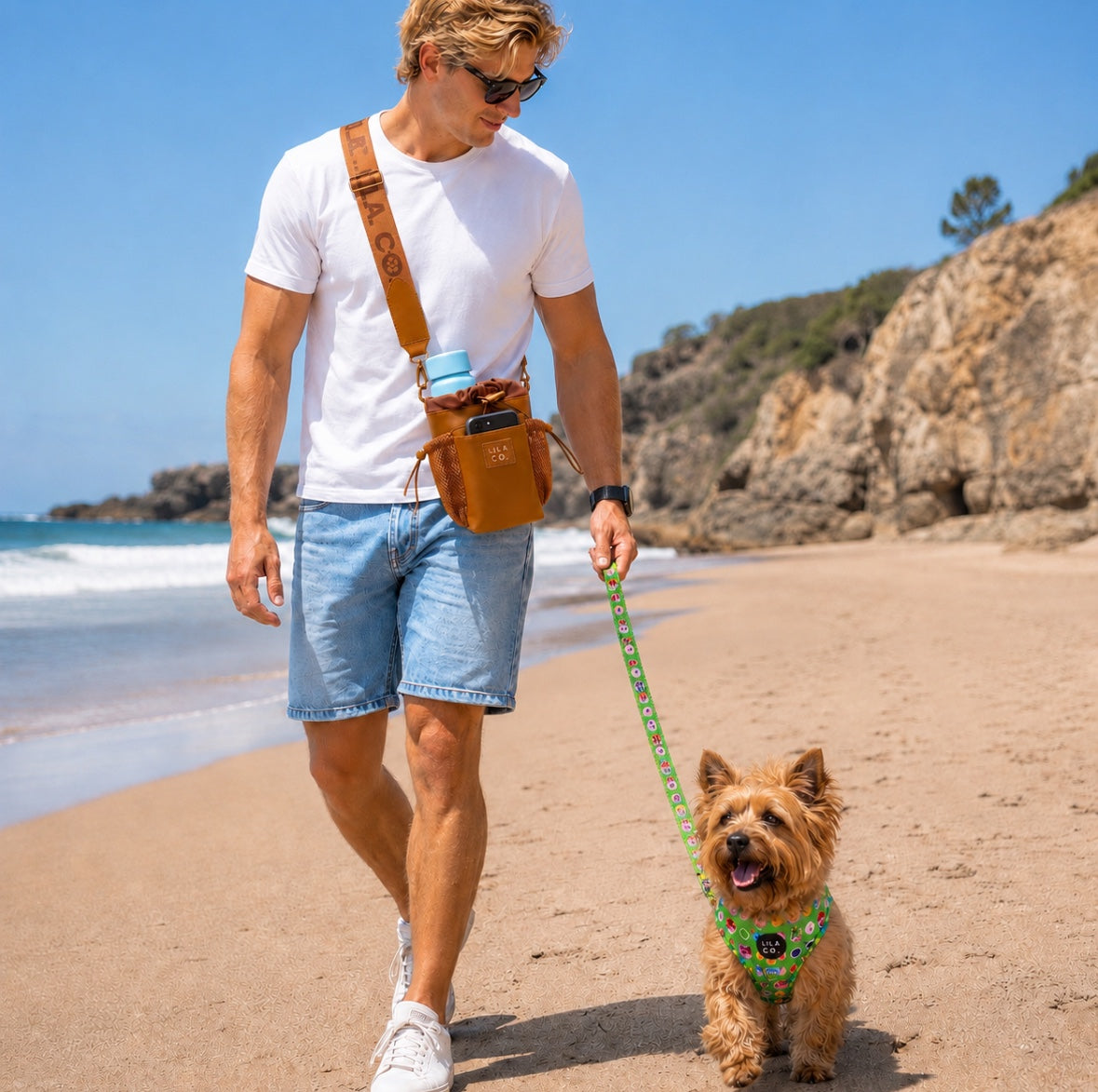
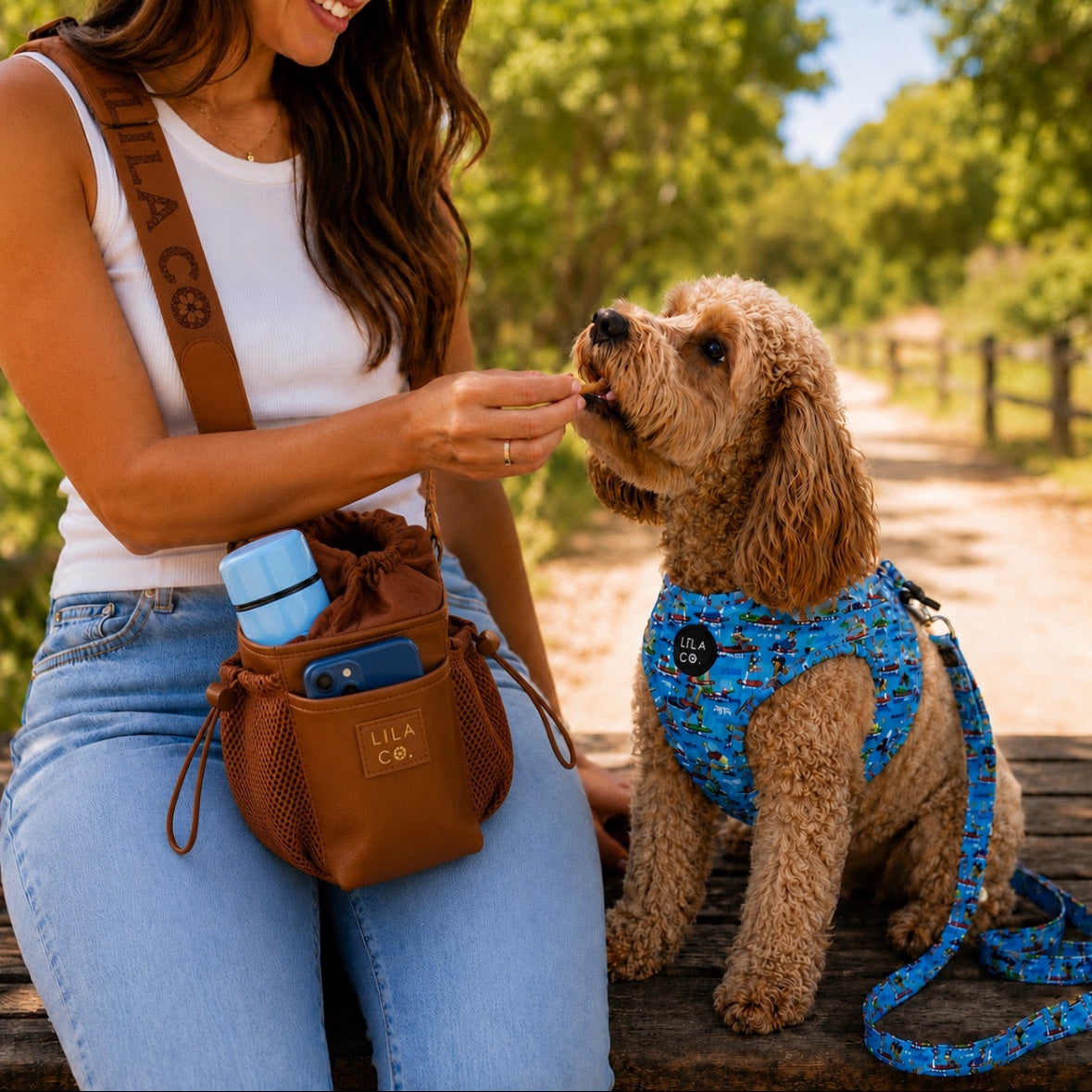
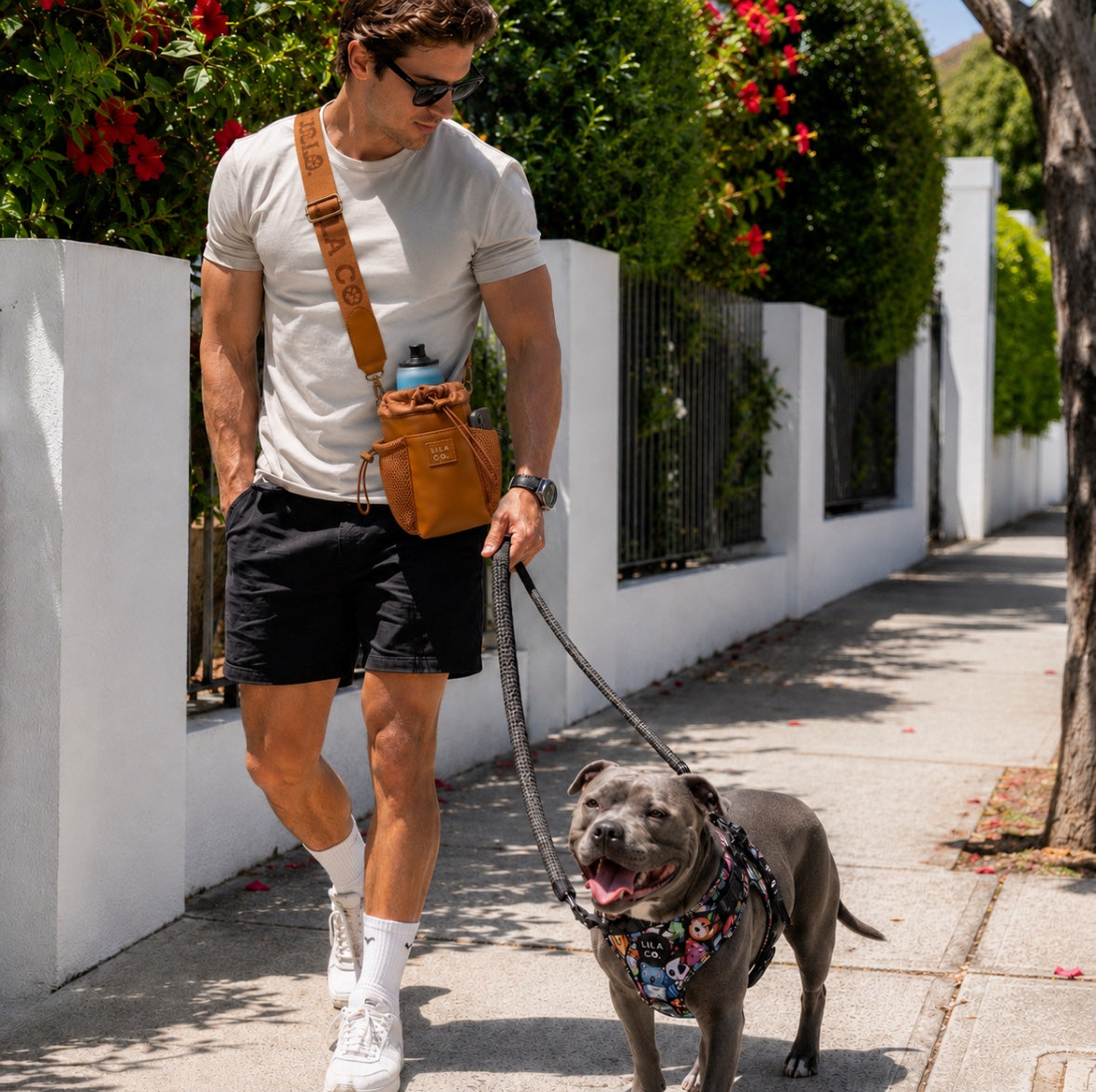
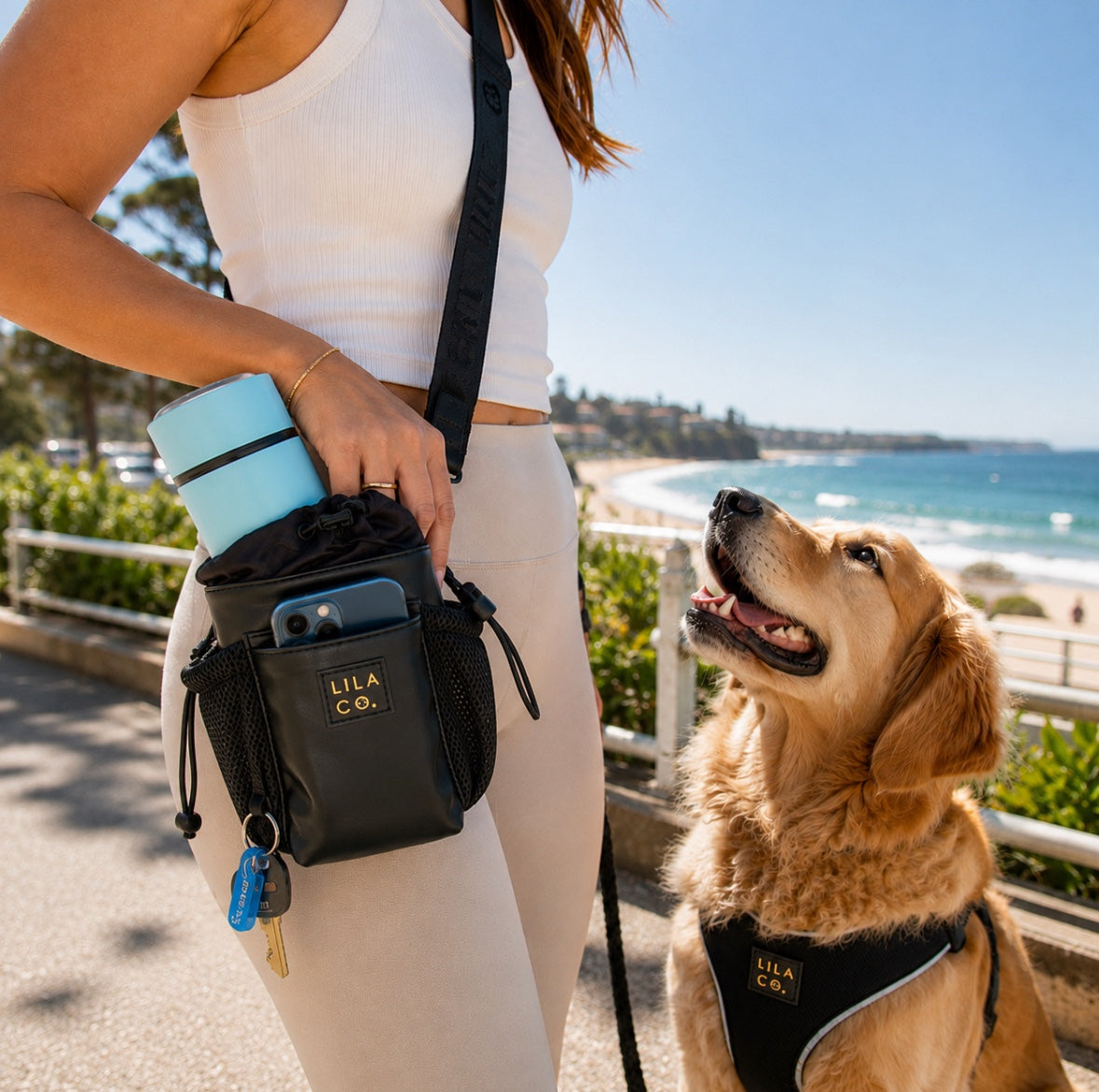
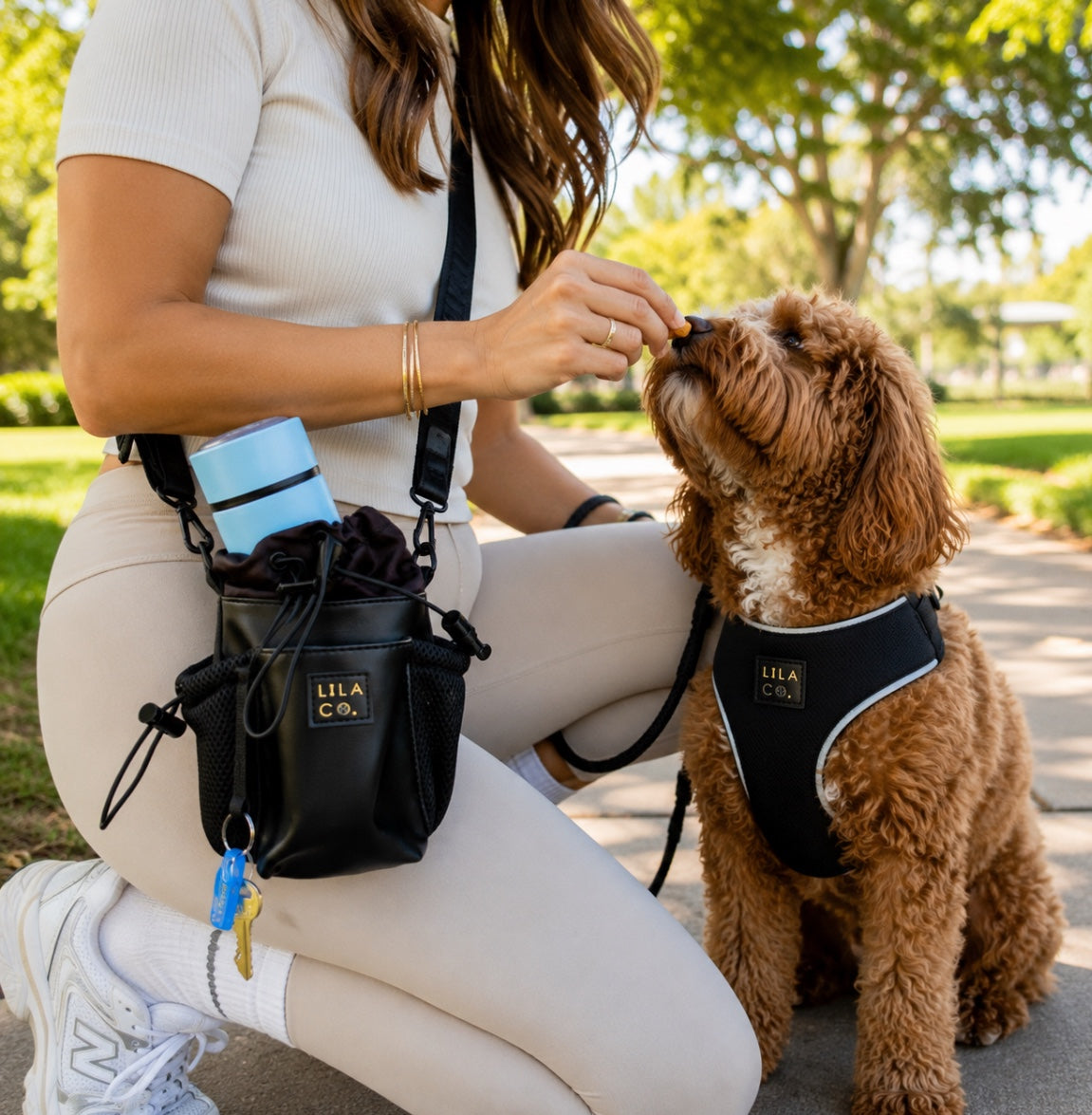
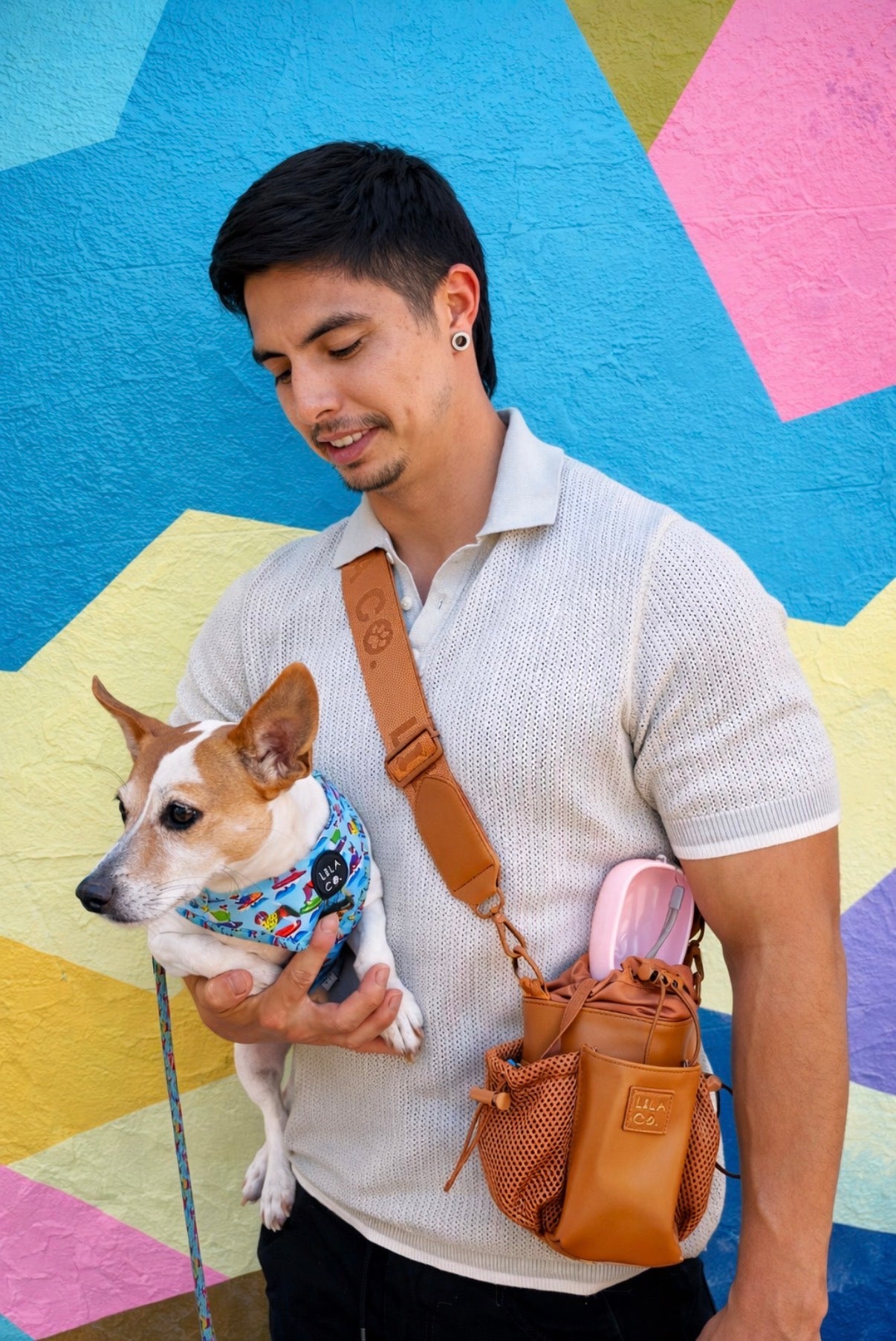
That's exactly why we designed our Dog Walking Bag at Lila Co Aus.
Rather than carrying multiple items or overloading your pockets, it keeps your daily essentials organised in one place without compromising on style.
There's space for your water bottle, treats, phone, poop bags and keys, making everyday walks easier and more enjoyable without feeling bulky.
Most importantly, it helps you spend less time getting organised and more time doing what your dog has been waiting for all day.
Small Habits Create Happier Dogs
The perfect dog walk isn't about walking the furthest distance.
It's about creating an experience your dog enjoys.
Slow down.
Let them sniff.
Explore somewhere new.
Take water.
Reward good behaviour.
Stay present.
Your dog doesn't care whether today's walk is around the block or along the beach.
They're simply happy they're spending it with you.
And sometimes that's the best reminder we could ask for.
Because while these walks may only be part of our day, to our dogs they're often the highlight of theirs.
So clip on the lead, grab your essentials and head outside.
Adventure is waiting.
Frequently Asked Questions
How often should I walk my dog?
Most healthy adult dogs benefit from at least one walk every day, although some active breeds may require more exercise.
What should I carry on a dog walk?
Bring fresh water, treats, poop bags, your phone, keys and anything else you may need for your outing. Keeping these organised in a dedicated dog walking bag makes every walk easier.
Is sniffing as important as exercise?
Yes. Sniffing provides valuable mental stimulation and can help reduce stress while making walks more enriching for your dog.
When is the best time to walk dogs in Australia?
Early morning or late afternoon are generally safest, particularly during warmer months when footpaths can become dangerously hot.
Should dogs wear a collar or harness?
Many dogs are more comfortable wearing a properly fitted harness, particularly if they tend to pull on the lead.